System Integrations with Seifert Technologies

Customer relationship management systems help businesses manage their relationship with the customer. It helps not only manage it, but also improve it. These systems are gaining attention and evolving at rapid speed, for good reason. CRM integrations make managing your business simple. The new system integration itself can be tricky, which is where we come in.
Customer Relationship Management Systems
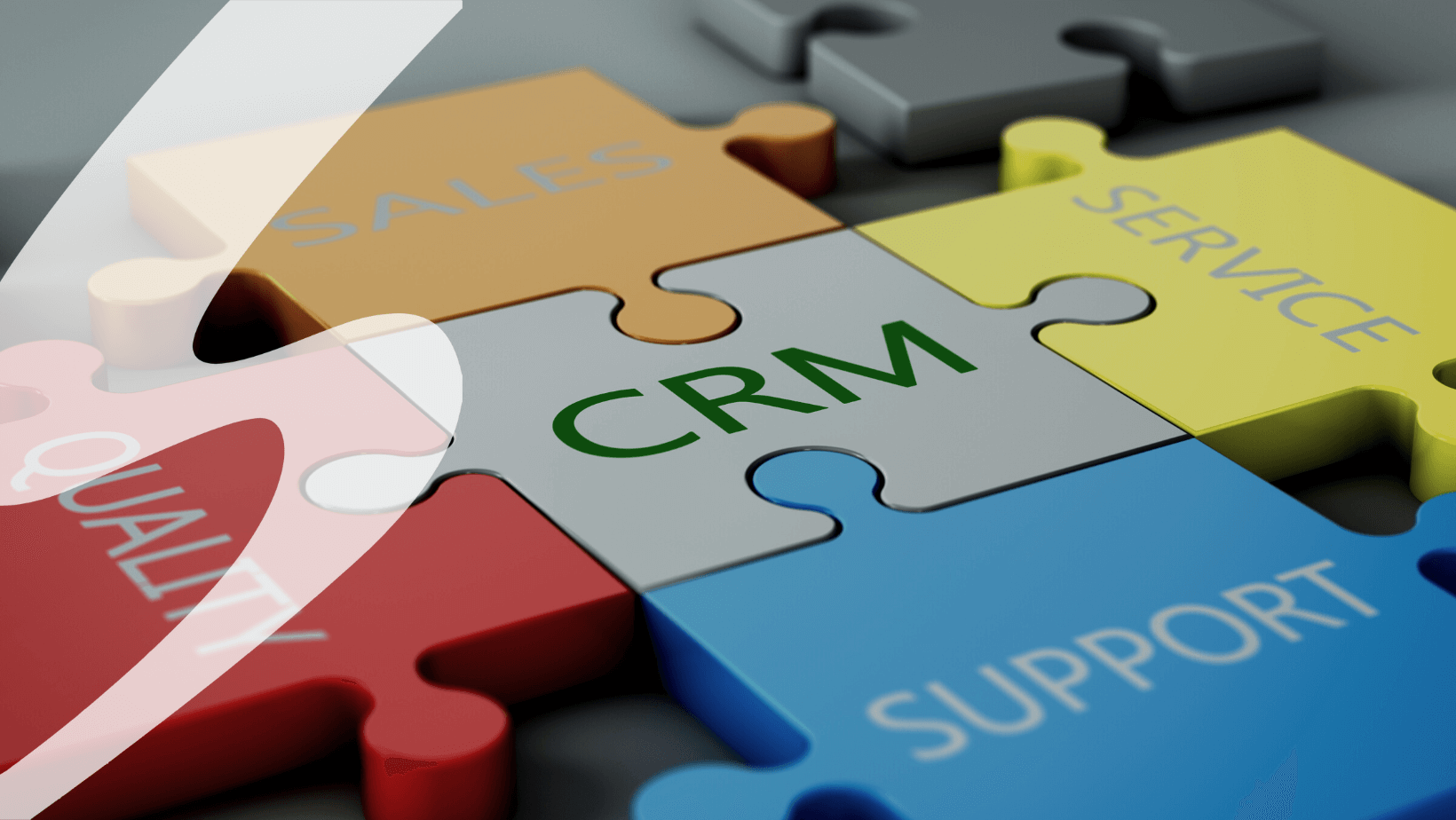
“Customer relationship management (CRM) is a technology for managing all your company’s relationships and interactions with customers and potential customers.” CRM tools and integration make managing customer relationships easy. They manage things like marketing, sales, digital commerce, and service interactions. A CRM solution can allow you to focus on relationships with individual people. These people include customers, colleagues, suppliers, and or service users. It will focus on your entire lifecycle with these people. It aids in finding and gaining customers and business. It also aids in providing support and services throughout your relationship. CRM integration occurs between CRM software and third-party applications. They automate actions to expand the functionality of your software. This makes it unnecessary to go back and forth between systems. These integrations allow companies to improve operational efficiency. They also cut time spent on generating reports for clients and internal purposes. They store and analyze large data amounts. This data provides insights into customer behavior. It also provides insight into how your company can influence customer behavior.
CRM Solutions
There are many different CRM platforms available for use today. Some common ones are HubSpot, Salesforce, EngageBay, Salesflare, and Microsoft Dynamics. Microsoft Dynamics is our top choice as Microsoft Certified Solutions Engineers. Microsoft Dynamics is a CRM and enterprise resource planning (ERP) software. Its main purpose is to improve sales and marketing productivity. "The CRM gathers social insights, provides cloud-based campaign management, and offers business intelligence." The CRM’s real-time customer data platform provides AI powered insights. These tell you how to get new leads and customers. They also tell you who your audience members are, what they need, how you can make and keep them happy. They provide insights about your customers based on behavioral, demographic, and transactional data. They also provide insight based on engagement and customer feedback. Your company is then able to use these insights to target sales, campaigns, and support.
Popular CRM Business Integrations
· Email Integration- Email is often a primary method of communication with customers. People rely on email marketing (drip campaigns, newsletters) to keep customers engaged. Email integration lets you access business contacts and emails without leaving CRM software. It also allows you to use shared templates and behavior-based or timed sequences. Email marketing platforms enable you to create and use web forms. These forms connect to social media or embedded in websites. Once a customer has signed up with their information, it will add them as a contact. It inserts them into your CRM database for future sales and marketing.
- Phone & SMS Integration- CRM that connects your phone’s calling and SMS texting. It gives you two channels for engaging customers and leads. It allows you to make calls, record phone conversations, and log calls within your CRM. It enables you to create and send marketing and follow-ups with contacts via text.
- Marketing Automation Integration- Allows you to watch the status of leads. Also allows you to manage activities in your sales pipeline. You can even set up triggered marketing actions. These actions trigger based on customer activity recorded in your CRM.
- Accounting Integration- Keeps track of bills and invoices for each customer or company. Accountants or bookkeepers can do this with ease thanks to CRM. Users can manage payments and record revenue sources from within the CRM platform. This saves time and eliminates human error in uploading financial data.
The Advantage of CRM Integration
We know companies rely on CRM integration for building customer relationships. This is a huge advantage. CRM lets companies build and improve relationships with their customers. This helps you keep those customers for as long as possible. What other advantages do they offer business owners? They make it easy to automate sales and marketing. This gives your employees extra time to build relationships and talk to customers. It also allows you to spend less time personalizing websites or getting sales info. Another advantage is that it increases productivity. Your employees spend time switching between so many systems without CRM software. With a CRM integration, they could be using this time to do other valuable things. A third advantage would be better security. CRM integration improves data security. You may have more access to security applications through CRM. This will prevent unauthorized users from accessing your data. Second, integrations use APIs to access data. API access allows transmitting data between applications. It does not store the data elsewhere. This reduces the risk of unauthorized access. With CRM integration, it is possible to restrict users from accessing certain pages, fields, objects, and forms, ensuring everyone has an appropriate level of access to customer data.